 Safaris
Bergsteigen
Wandern
Inselwandern Weltweit
Safaris
Bergsteigen
Wandern
Inselwandern Weltweit
 Chronologie
Inselwandern
Chronologie
Inselwandern Europa
Inselwandern
Europa
Inselwandern
 Städtewandern
 Paintings
 Dirk Rauschenbach

 Mail ccooly(
at) web.de
Mail ccooly(
at) web.de|
Safaris
Bergsteigen
Wandern
Inselwandern Weltweit
|
Chronologie
Inselwandern |
Europa
Inselwandern
|
Städtewandern
|
Paintings |
Dirk Rauschenbach
|
Mail ccooly(
at) web.de |
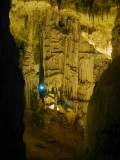
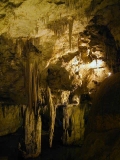
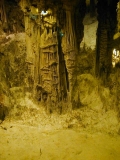
Neptunsgrotte Sardinien Neptun-Grotte Grotta di Nettuno Halbinsel Capo Caccia
Capo Testa Spezial Grotte Zuddas spezial Neptunsgrotte spezial Su Gologone + Supramonte
Cala di Luna spezial Cala Goloritze spezial Murales in Orgosolo spezial Sardiniengemälde
 |
 |
 |
 |
 |
| Neptunsgrotte | Neptunsgrotte | Neptunsgrotte | Neptunsgrotte | Neptunsgrotte |
 |
 |
 |
 |
 |
 |
 |
 |
 |
 |
 |
 |
 |
 |
|
| Sardinien Grotte Zuddas | Sardinien Grotte Zuddas | Sardinien Grotte Zuddas | Sardinien Grotte Zuddas | |
 |
 |
 |
||
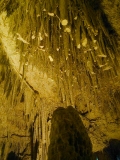
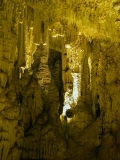
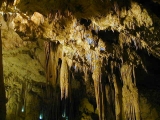
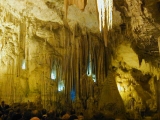
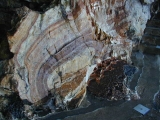
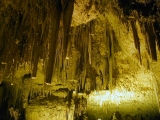
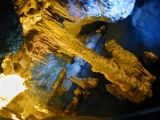
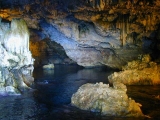
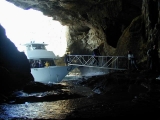
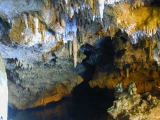
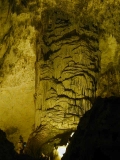
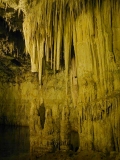
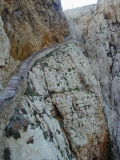
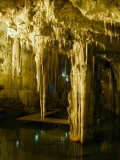
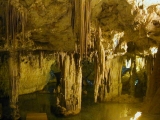
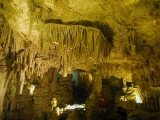
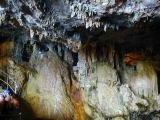
Murales von Orgosolo spezial Sardinien #su #gologone #happy #´sardinas #supramonte #instagood #love #photooftheday #fun #instadaily #stampinup #nature #food #zinna #picoftheday #instagram #growyourown #igers #vegetarian #like #health #germany #sky #basteln #follow #cute #vegetables #instamood #harvest #garden#mittelmeer The Great Lake (Lago Salato): A 120-meter-long saltwater lake, reflecting the magnificent formations. Stalactites & Stalagmites: Impressive formations with names like the "Grand Organ" (a massive column of stalactites) and the "Christmas Tree." The Royal Hall (Sala della Reggia): The largest chamber, filled with spectacular formations. The Whale's Belly: A narrow passageway leading to other halls. Access to the Sea: An opening to the Mediterranean, letting in beautiful turquoise light. How to Get There There are two main ways to reach the grotto: 1. By Land (The Dramatic Way - Escala del Cabirol) Location: From the Capo Caccia parking lot. What it is: A steep cliffside staircase with 654 steps descending the sheer cliff face to the cave entrance. Pros: Breathtaking panoramic views over the coast. You set your own pace. Cons: Very physically demanding, especially the climb back up. Not suitable for those with health issues, knee problems, or a fear of heights. Tip: Wear sturdy shoes, take water, and avoid the midday heat. 2. By Sea (The Scenic Way) Departure: Boats leave from Alghero's port or, in summer, from the nearby beach of Porto Conte. Pros: A beautiful boat trip along the dramatic cliffs of Capo Caccia, often passing by other small caves. No strenuous climb. Cons: Dependent on sea conditions (trips are canceled if the sea is rough). You are on a fixed schedule with the boat. The Entrance: By sea, you enter through the same opening used by the discoverers in the 18th century. Practical Information for Visitors Location: Capo Caccia, about 25 km from Alghero. Opening Hours: Vary by season. Generally, guided tours depart every 30-60 minutes. Always check the official schedule before you go. Admission Fee: A ticket is required for the guided tour inside the cave (separate from the boat ticket if you arrive by sea). Guided Tours: Access to the cave is only possible with a guided tour (available in Italian and English). The tour inside lasts about 1 hour. Best Time to Visit: Spring and early autumn to avoid the largest crowds and summer heat. Morning tours are usually less crowded. Combination Tip: Many visitors take the boat one way and the stairs the other, but this requires careful planning with timetables. A Bit of History The cave was discovered by local fishermen in the 18th century and later explored by a Catalan miner. It opened to the public in 1959. Archaeological findings show it was occasionally visited by humans in the Neolithic period.
 05.06.26 Copyright Dirk
Rauschenbach Koelnerstrasse 293 51702 Bergneustadt
Datenschutzerklaerung 02261 94417 oder
Handy oder Mail ccooly(
at) web.de
05.06.26 Copyright Dirk
Rauschenbach Koelnerstrasse 293 51702 Bergneustadt
Datenschutzerklaerung 02261 94417 oder
Handy oder Mail ccooly(
at) web.de